
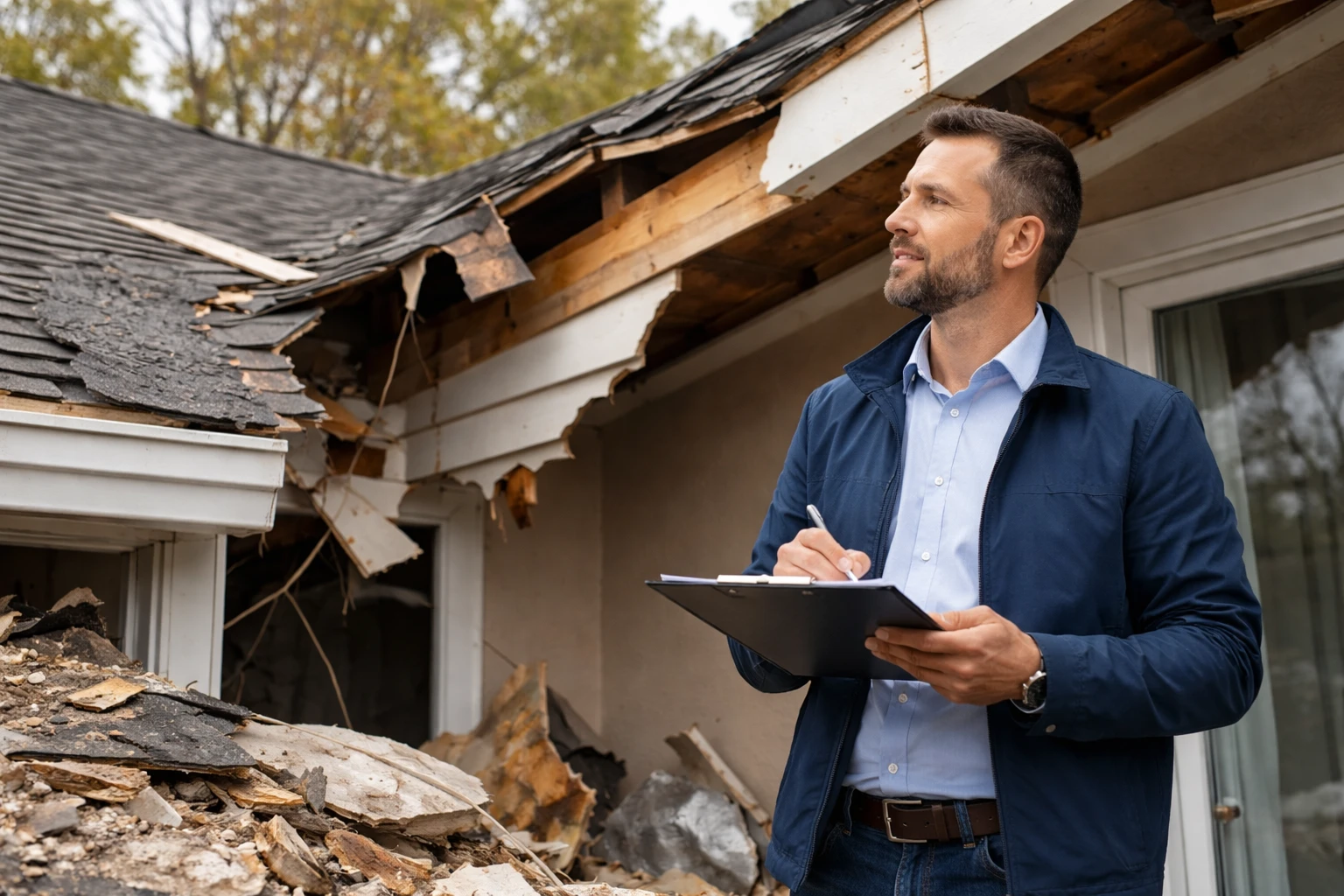
Property damage rarely arrives at a convenient moment. A storm rolls through Carrollton overnight. A pipe bursts while you’re away for the weekend. A fire leaves smoke damage throughout the house. Suddenly, you’re not just dealing with repairs — you’re dealing with paperwork, inspections, estimates, and insurance negotiations.
That’s when many property owners start asking the same question: what is public adjuster, and why do people hire one?
It’s a fair question. Insurance claims can be technical, time-consuming, and stressful. Most homeowners file only a few claims in their lifetime, while insurance companies process them every day. That imbalance alone can make the process feel overwhelming.
A public adjuster exists to level the playing field. They work for you, not the insurance company. Their job is to evaluate damage, prepare documentation, and negotiate the insurance settlement on behalf of the policyholder.
Let’s break it down clearly. By the end of this guide, you’ll understand what is public adjuster, how they operate, and when hiring one may help protect your financial interests.
What Is a Public Adjuster?
At its core, the answer to what is public adjuster is simple.
A public adjuster is a licensed professional who represents policyholders in property insurance claims.
They are trained to evaluate property damage, interpret insurance policies, document losses, and negotiate with insurance companies to reach a fair settlement.
Unlike other adjusters in the insurance industry, a public adjuster works exclusively for the property owner.
Three Types of Insurance Adjusters
Understanding this difference is important because the word “adjuster” gets used in several ways.
| Type of Adjuster | Who They Work For | Primary Role |
| Staff Adjuster | Insurance company | Handles claims on behalf of insurer |
| Independent Adjuster | Insurance company (contracted) | Evaluates claims for insurers |
| Public Adjuster | Policyholder | Represents the property owner |
This distinction matters. When you file a claim, the insurance company sends its own adjuster to evaluate the damage. Their responsibility is to the insurer.
A public adjuster, on the other hand, represents your side of the claim.
Why Insurance Claims Become Complicated
Filing a claim sounds simple in theory. In reality, it often becomes complicated very quickly.
Here’s why.
Property insurance claims involve several moving parts:
- Detailed damage inspections
- Insurance policy interpretation
- Repair cost estimation
- Contractor evaluations
- Documentation requirements
- Negotiations over settlement amounts
Even a straightforward claim can generate dozens of documents.
Many homeowners quickly realize the process feels like a second job.
And when thousands — sometimes hundreds of thousands — of dollars are involved, mistakes can be costly.
This is one of the biggest reasons people begin researching what is public adjuster and how these professionals help manage claims.
What Public Adjusters Actually Do
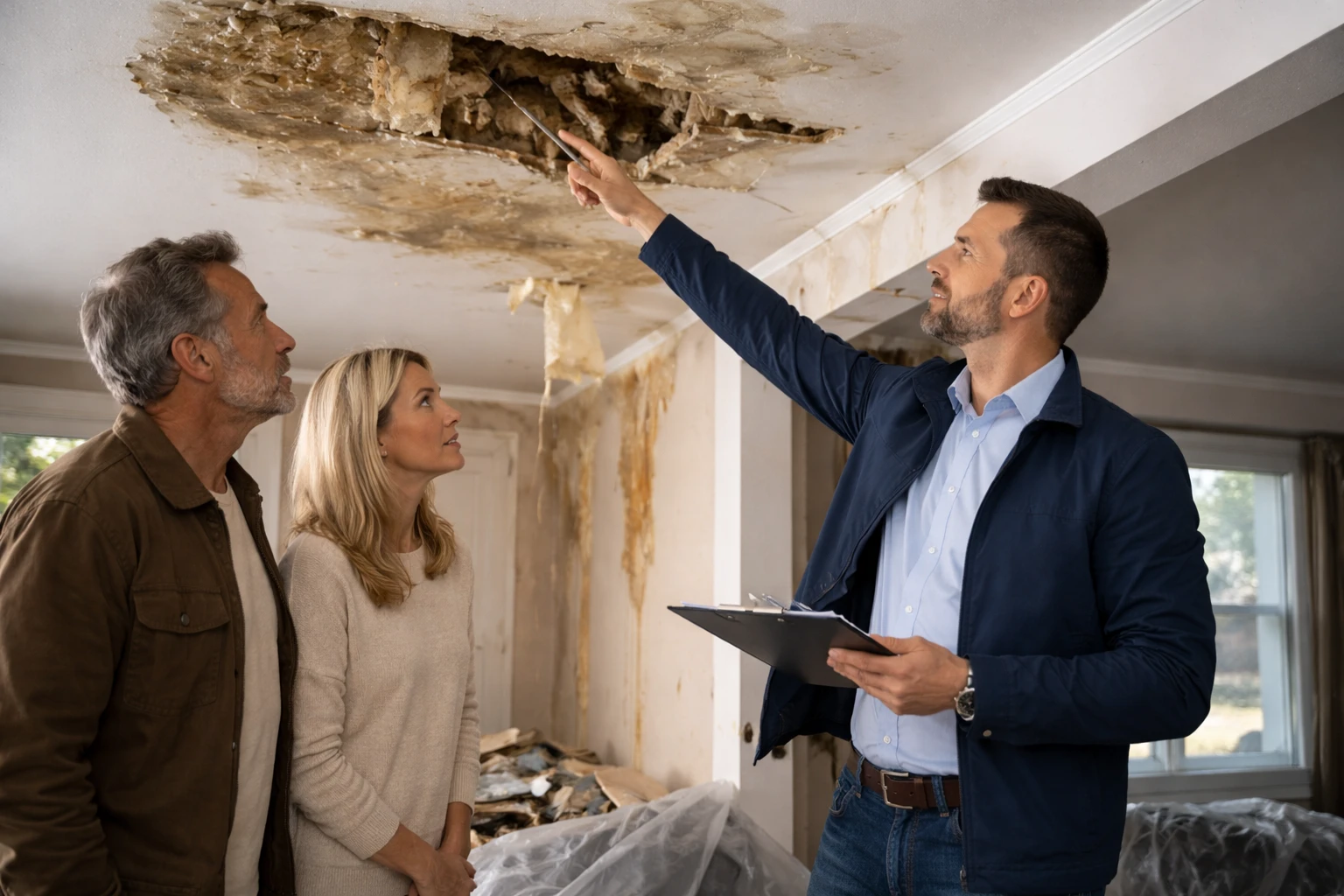
A public adjuster’s work begins long before settlement negotiations.
They guide the entire claims process from documentation to resolution.
Here are the main responsibilities.
1. Inspecting Property Damage
The first step is a detailed inspection of the damaged property.
Public adjusters often identify losses that may otherwise be overlooked, including:
- Structural damage
- Water intrusion
- Smoke contamination
- Electrical system damage
- Roofing issues
- Interior finishes and materials
Damage isn’t always obvious. For example, water from a roof leak may travel through insulation and wall cavities before appearing inside the home.
An experienced adjuster knows where to look.
2. Reviewing the Insurance Policy
Insurance policies are long. And they’re not written in everyday language.
Public adjusters carefully analyze the policy to determine:
- What types of damage are covered
- Applicable coverage limits
- Deductibles
- Policy exclusions
- Additional coverage options
This step helps ensure the claim reflects everything the policy allows.
3. Documenting the Claim
Thorough documentation is one of the most important parts of any insurance claim.
Public adjusters prepare detailed records such as:
- Damage reports
- Photographic evidence
- Repair estimates
- Personal property inventories
- Replacement cost calculations
The goal is simple: create a clear, well-supported claim file.
When documentation is strong, negotiations become easier.
4. Preparing Repair Estimates
Repair estimates are often a major point of disagreement between property owners and insurers.
Public adjusters work with contractors, estimators, and industry pricing databases to prepare accurate cost estimates.
These estimates typically include:
- Materials
- Labor
- Code upgrades
- Debris removal
- Temporary repairs
A thorough estimate reflects the true cost of restoring the property.
5. Negotiating With the Insurance Company
Once the claim is documented and submitted, negotiations begin.
This stage involves:
- Reviewing the insurance company’s assessment
- Responding to questions or disputes
- Discussing settlement amounts
- Providing additional evidence if needed
Public adjusters act as the policyholder’s advocate during this process.
They communicate directly with the insurer so the homeowner doesn’t have to manage every discussion themselves.
Types of Claims Public Adjusters Handle
Public adjusters work on many types of property damage claims.
Some of the most common include storm-related losses.
Storm and Wind Damage
Texas weather can be unpredictable. Strong storms can damage roofs, siding, windows, and exterior structures.
Public adjusters frequently handle claims involving:
- Hail damage
- Wind damage
- Roof leaks
- Structural damage
Water Damage
Water damage spreads quickly and often affects multiple parts of a building.
Common sources include:
- Burst pipes
- Plumbing failures
- Appliance leaks
- Roof leaks
Water damage claims often require careful documentation because secondary damage can develop days or weeks later.
Fire and Smoke Damage
Fire damage is rarely limited to the area where flames started.
Smoke, heat, and water used to extinguish the fire can affect the entire structure.
Public adjusters often help document:
- Structural repairs
- Smoke remediation
- Personal property loss
- Temporary housing expenses
Business Interruption Claims
Commercial property owners face an additional challenge after disasters: lost income.
Public adjusters may assist businesses with claims involving:
- Revenue loss
- Temporary closure
- Equipment damage
- Extra operating expenses
These claims require financial documentation and careful calculations.
The Public Adjuster Claims Process
While every claim is unique, most follow a similar sequence.
Step 1: Initial Consultation
The process begins with an initial evaluation.
The adjuster reviews:
- The insurance policy
- The reported damage
- The timeline of the incident
This helps determine how the claim should proceed.
Step 2: Property Inspection
A thorough inspection follows.
During this stage, the adjuster documents all visible damage and identifies potential hidden issues.
Photographs, measurements, and notes are taken to support the claim.
Step 3: Claim Documentation
Next comes documentation.
This includes compiling:
- Damage reports
- Repair estimates
- Inventory lists
- Supporting evidence
This documentation forms the foundation of the claim.
Step 4: Claim Submission
Once the documentation is complete, the claim is submitted to the insurance company.
The insurer reviews the materials and may conduct its own inspection.
Step 5: Negotiation and Settlement
Negotiations begin once both sides have evaluated the damage.
This stage continues until both parties reach an agreed settlement.
When Should You Hire a Public Adjuster?
Not every claim requires professional representation.
However, there are situations where hiring one can make a significant difference.
Major Property Damage
Large losses often involve multiple repair categories and complex documentation.
Examples include:
- Severe storm damage
- Major water damage
- Structural fires
These claims can become complicated quickly.
Disputed Insurance Settlements
Sometimes the insurance company’s estimate is lower than expected.
This may happen because:
- Damage was overlooked
- Repair costs were underestimated
- Certain losses were excluded
Public adjusters review the claim and advocate for a fair evaluation.
Complex Claims
Claims involving multiple types of damage can become difficult to manage.
For example:
- Water and mold damage combined
- Fire damage with structural repairs
- Commercial property losses with income interruption
Professional claim management can help keep everything organized.
Limited Time to Manage the Claim
Insurance claims require time.
Homeowners must schedule inspections, collect documentation, and communicate with adjusters.
For busy property owners, managing this process alone can be overwhelming.
How Public Adjusters Are Paid
Most public adjusters work on a contingency fee basis.
That means they are paid a percentage of the final insurance settlement.
Typical fee ranges may vary, but the structure generally looks like this:
| Settlement Amount | Typical Fee Range |
| Small Claims | 10% – 20% |
| Medium Claims | 8% – 15% |
| Large Claims | 5% – 12% |
Because their payment depends on the settlement, public adjusters have a strong incentive to maximize the claim outcome.
Are Public Adjusters Licensed?
Yes. Public adjusters must be licensed in the states where they operate.
Licensing requirements typically include:
- Professional training
- State examinations
- Continuing education
- Ethical standards
These regulations help ensure adjusters operate responsibly and represent policyholders fairly.
Benefits of Hiring a Public Adjuster
Hiring a public adjuster can provide several advantages.
Insurance Policy Expertise
Policies contain detailed coverage rules.
Public adjusters understand how these provisions apply to real-world damage.
Stronger Claim Documentation
Well-organized documentation helps support higher-quality claims.
This includes detailed reports, estimates, and evidence.
Reduced Stress
Insurance claims can be stressful.
Having someone manage the process allows homeowners to focus on repairs and recovery.
Professional Negotiation
Negotiating insurance settlements requires experience.
Public adjusters handle these discussions daily.
Situations Where You May Not Need One

While public adjusters can be helpful, they are not always necessary.
For example:
- Small claims with minimal damage
- Clear, uncontested claims
- Minor repairs below the deductible
In these situations, homeowners may manage the claim themselves.
Choosing the Right Public Adjuster
If you decide to hire one, selecting the right professional matters.
Here are several factors to consider.
Verify Licensing
Always confirm the adjuster is licensed in your state.
Ask About Experience
Look for adjusters who have handled claims similar to yours.
Review the Fee Structure
Understand how the contingency fee works before signing an agreement.
Evaluate Communication
Good adjusters keep clients informed throughout the process.
Clear communication is essential.
Public Adjusters in Carrollton
Property owners in Carrollton face unique risks.
North Texas weather can produce strong storms, hail events, and sudden temperature shifts that affect roofing systems and plumbing.
Local public adjusters often understand:
- Regional weather patterns
- Local building codes
- Contractor pricing trends
This local knowledge can help ensure claims accurately reflect repair costs in the area.
Clearing Up Common Misconceptions
Despite their growing popularity, some myths still surround the profession.
Myth: Public Adjusters Work for Insurance Companies
They do not.
Public adjusters represent policyholders only.
Myth: Only Large Claims Need Public Adjusters
While large claims are common, smaller but complicated claims may also benefit from professional representation.
Myth: Hiring One Slows the Claim Process
In many cases, organized documentation can actually help streamline the process.
Final Thoughts
Insurance claims are rarely simple.
They involve inspections, documentation, negotiations, and careful interpretation of policy language.
Understanding what is public adjuster gives property owners a clearer picture of their options during the claims process.
A public adjuster serves as an advocate for the policyholder — someone who understands the technical side of insurance claims and works to ensure damages are properly evaluated.
For many homeowners and business owners, that support can make the recovery process smoother and more manageable.
And when property damage disrupts daily life, having an experienced professional guiding the claim can make all the difference.
FAQs
A public adjuster is a licensed professional who represents policyholders during insurance claims and helps evaluate damage, prepare documentation, and negotiate settlements with insurance companies.
Insurance adjusters work for the insurance company, while a public adjuster works exclusively for the policyholder to protect their financial interests during a claim.
You may consider hiring a public adjuster when your property damage is significant, the claim process becomes complicated, or the insurance settlement seems lower than expected.
Yes, public adjusters typically assist with claims involving storm damage, water damage, fire damage, and business interruption losses.
Most public adjusters work on a contingency fee, meaning they receive a percentage of the final insurance settlement rather than charging upfront fees.
While no outcome is guaranteed, public adjusters often help ensure that all damages are documented and properly evaluated, which may result in a more accurate settlement.
Yes, public adjusters must be licensed by the state in which they operate and are typically required to follow professional and ethical standards.
In most cases, the public adjuster handles communication with the insurance company, allowing you to focus on repairs and recovery.
Not always. Smaller or straightforward claims may be handled directly by the homeowner without professional assistance.
Yes, public adjusters can often step in after a claim has been filed to review documentation, reassess damages, and help negotiate the settlement.